FemiCore Ingredients: Science & Formula Guide
FemiCore ingredients are listed here from the verified ingredient/feature input used to generate this site. Missing amounts, certifications, or proprietary details are not invented.
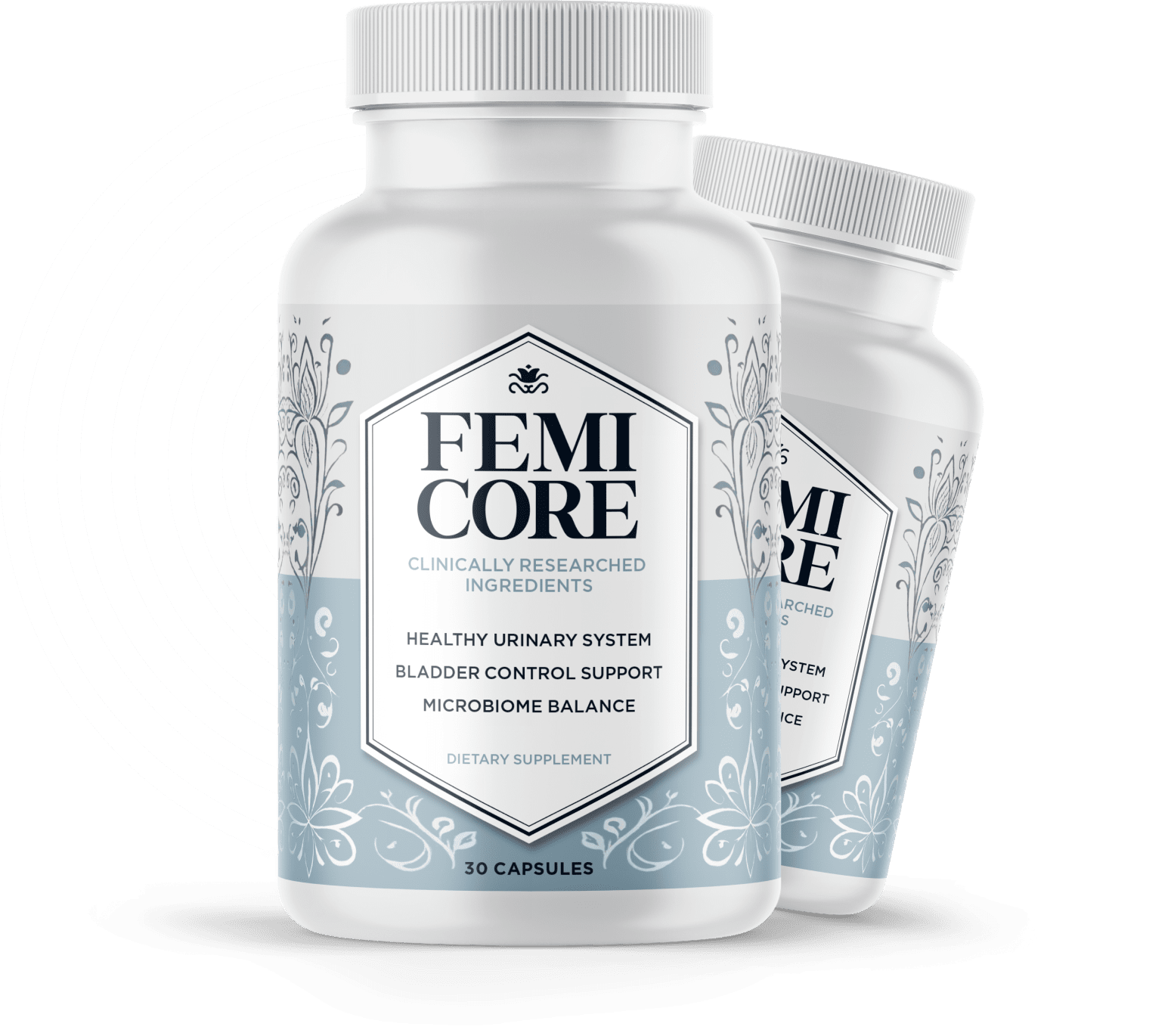
Table of Contents
What Are the Ingredients in FemiCore?
The verified list supplied for this site includes:
- Mimosa Pudica
- Bearberry
- Cranberry Extract
- Granular Berberine
- Lactobacillus crispatus
- Lactobacillus acidophilus
- Lactobacillus plantarum
- Lactobacillus gasseri
- Lactobacillus casei; natural formula; easy to use; no stimulants; non-GMO.
How Are the Ingredients Organized?
Ingredients can be grouped by the roles described in the product positioning, but this page avoids claiming a biological mechanism unless the verified facts support it.
Major Ingredients & Features Explained
Mimosa Pudica in FemiCore
A botanical included as part of FemiCore's plant-based urinary wellness formula.
Bearberry in FemiCore
A botanical component included in the formula's bladder and urinary health support blend.
Cranberry Extract in FemiCore
A familiar urinary wellness ingredient included in FemiCore's botanical combination.
Granular Berberine in FemiCore
Included as a granular botanical component within the broader FemiCore formula.
Lactobacillus crispatus in FemiCore
One of the Lactobacillus strains included to support the formula's urinary microbiome focus.
Lactobacillus acidophilus in FemiCore
A Lactobacillus strain included as part of the product's multi-strain blend.
Lactobacillus plantarum in FemiCore
Included in the probiotic portion of the formula alongside four other Lactobacillus strains.
Are FemiCore Ingredients Safe?
Safety depends on the specific ingredient, amount, individual circumstances, medication use, allergies, and label directions. Review the current label and consult a qualified professional when appropriate.
FemiCore Ingredients vs Alternatives
Compare verified ingredient lists and disclosed amounts rather than relying on generic claims about “typical competitors.” Ingredient count alone does not determine quality or suitability.
Frequently Asked Questions
What is FemiCore?
FemiCore is a dietary supplement designed to support bladder control, urinary health, and a balanced urinary microbiome. It combines botanical ingredients with five named Lactobacillus strains.
How should FemiCore be used?
The suggested use is one capsule every morning with a large glass of water. Follow the product label and offer instructions for the most current directions.
What ingredients are in FemiCore?
The formula contains Mimosa Pudica, Bearberry, Cranberry Extract, Granular Berberine, Lactobacillus crispatus, Lactobacillus acidophilus, Lactobacillus plantarum, Lactobacillus gasseri, and Lactobacillus casei.
Is FemiCore stimulant-free?
Yes. The formula is described as stimulant-free, along with being natural and non-GMO.
Does FemiCore require a subscription?
No. Purchases are described as one-time orders without automatic subscriptions or recurring shipments.
What package options are available?
The available options are 1 unit: total; 3 units: 7 total ( per unit); 6 units: 4 total ( per unit).
Is shipping included?
United States shipping is listed as free, with estimated delivery in 5–7 working days. International shipping fees and delivery times vary by destination, and the six-bottle package includes free shipping.
Can anyone use FemiCore?
Individual needs and results vary. Anyone who is pregnant, nursing, taking medication, managing a health condition, or unsure whether the formula is appropriate should consult a qualified healthcare professional before use.
Want to see how the FemiCore formula fits the full offer?
Check Current FemiCore Pricing →Conclusion
The FemiCore formula should be evaluated from the actual ingredient list, label directions, relevant research context, and personal fit.
Scientific References
- Khan A, Akram M, Thiruvengadam M et al.. Anti-anxiety Properties of Selected Medicinal Plants. Current pharmaceutical biotechnology. 2022.
- Hagihara T, Toyota M. Mechanical Signaling in the Sensitive Plant Mimosa pudica L. Plants (Basel, Switzerland). 2020 May 4.
- Uva Ursi. 2006.
- Bauer-Büntzel C, Büntzel J, Zomorodbakhsch B et al.. [Phytotherapy in uro-oncology]. Urologie (Heidelberg, Germany). 2023 Jan.
- Cranberry. 2006.
- Long Z, Xiang W, He Q et al.. Efficacy and safety of dietary polyphenols in rheumatoid arthritis: A systematic review and meta-analysis of 47 randomized controlled trials. Frontiers in immunology. 2023.
- Callahan BJ, McMurdie PJ, Rosen MJ et al.. DADA2: High-resolution sample inference from Illumina amplicon data. Nature methods. 2016 Jul.
- Zheng J, Wittouck S, Salvetti E et al.. A taxonomic note on the genus Lactobacillus: Description of 23 novel genera, emended description of the genus Lactobacillus Beijerinck 1901, and union of Lactobacillaceae and Leuconostocaceae. International journal of systematic and evolutionary microbiology. 2020 Apr.
References provide context for individual ingredients or topics and do not establish that the product itself has been clinically proven.